Revolutionary Construction Street Sweeping Tips for Efficient Sites
Explore unique street sweeping techniques for construction sites that enhance efficiency, minimize dust, and create safer working conditions. Discover effective tips here!
Welcome to the World of Construction Street Sweeping!
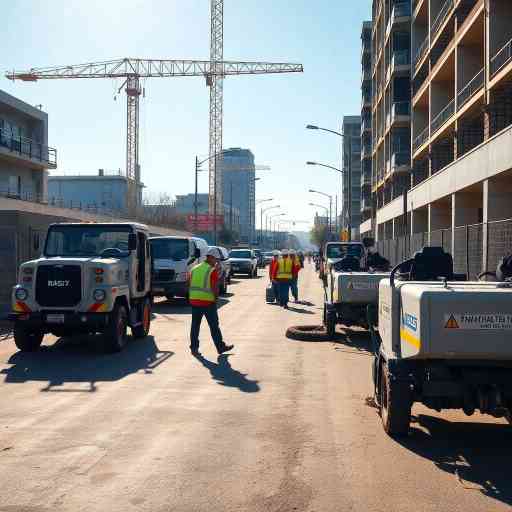 If you’re involved in the construction industry, you know how crucial cleanliness is on a job site. It’s not just about appearances; a clean site reduces hazards, promotes efficiency, and complies with regulations. But let’s dive into a unique tip that might change the way you think about street sweeping during construction projects: Introducing ‘Smart Zone Sweeping’!
What is Smart Zone Sweeping?
Smart Zone Sweeping is a fresh, innovative approach to street cleaning specifically designed for bustling construction sites. Unlike traditional sweeping techniques that rely solely on heavy machinery, this method integrates real-time monitoring and scheduling with specialized lightweight sweepers, creating an efficient system that works in tandem with construction progress. The idea is simple: rather than sweeping the entire site haphazardly, construction teams identify zones where dust and debris are most likely to accumulate based on activity levels and weather patterns. By doing so, you can significantly reduce the number of times a large street sweeper is deployed, lowering costs and environmental impact while maximizing effectiveness.Why Use Smart Zone Sweeping?
Let’s take a look at some benefits that come with implementing Smart Zone Sweeping:1. Increased Efficiency: With a focus on high-traffic and high-debris zones, you’ll optimize your cleaning efforts and save time for your team.
2. Cost Savings: Traditional street sweepers consume a lot of fuel and maintenance resources. By reducing unnecessary sweeper runs, your budget can stay intact.
3. Eco-Friendly Approach: Minimizing machinery use reduces fuel consumption and emissions, contributing to a cleaner environment. A win-win!
4. Safer Working Conditions: Less dust means better air quality, which promotes a healthier environment for all workers on-site. Nobody likes choking on dust!
Who Can Benefit from This Technique?
Smart Zone Sweeping isn’t just for large construction firms. Smaller contractors and DIY enthusiasts will also find this approach helpful. For any project—be it a large infrastructure build or a home renovation—this method is scalable. Tailor it to your specific site needs, and watch the cleanliness and productivity improve!How to Implement Smart Zone Sweeping
To start using Smart Zone Sweeping on your next project, follow these simple steps:1. Identify Debris Zones: Walk around the construction site to identify areas that require regular cleaning. High traffic routes, entrance points, and dumping sites for materials usually see the most debris.
2. Schedule Routine Sweeping: Based on the project timeline, schedule regular clean-ups specifically for these zones instead of the whole site. Adjust based on the day’s activities—like heavier work requiring extra sweeps!
3. Choose the Right Equipment: While traditional heavy-duty street sweepers have their place, lightweight alternatives can efficiently clean debris zones without the burden of excessive machinery. Explore electric or battery-operated sweepers for eco-friendly options!
4. Monitor Progress: Regularly evaluate your street-cleaning efficiency. If a certain zone continues to collect debris faster than others, it may require more frequent attention, or adjustments to the workflow can be made to minimize mess.
5. Educate the Team: Involve everyone on-site! Encourage your crew to keep an eye on debris accumulation, report areas that need extra care, and even engage them in clean-up efforts during downtimes.
Final Thoughts
The construction industry is ever-evolving, and Smart Zone Sweeping is an innovative strategy that stands to make your sites cleaner, safer, and more efficient. Whether you’re a seasoned contractor or a passionate DIYer, adapting your cleaning technique can pave the way to better project outcomes and promote a healthier work environment for all. Ready to revolutionize your street sweeping methods? Start experimenting with Smart Zone Sweeping and watch as your job sites transform! Cleanliness not only improves productivity but sets a positive example for your teams and stakeholders alike. Let’s keep our construction sites as neat as possible!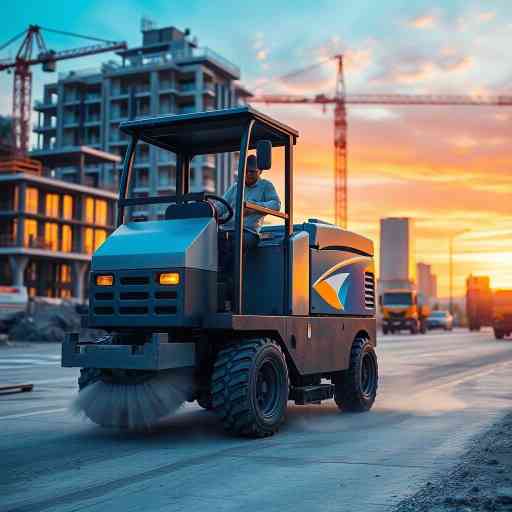
Revolutionize Your Construction Site with Smart Street Sweeping Solutions
Explore innovative street sweeping techniques tailored for construction sites to maintain cleanliness and efficiency. Perfect for site managers and contractors!
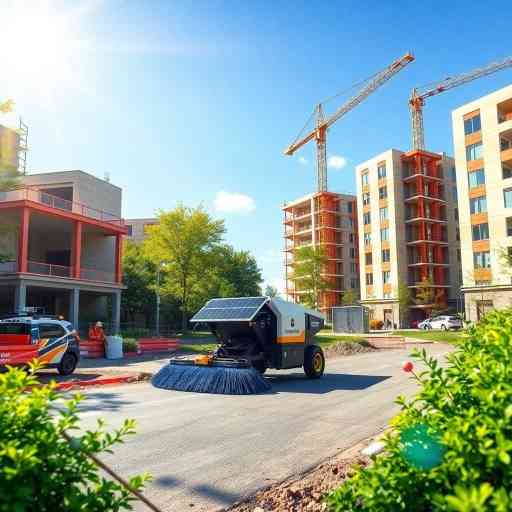
Eco-Friendly Street Sweeping with Solar-Powered Brooms
Discover how solar-powered brooms revolutionize construction street sweeping, enhancing efficiency and sustainability for eco-conscious builders.
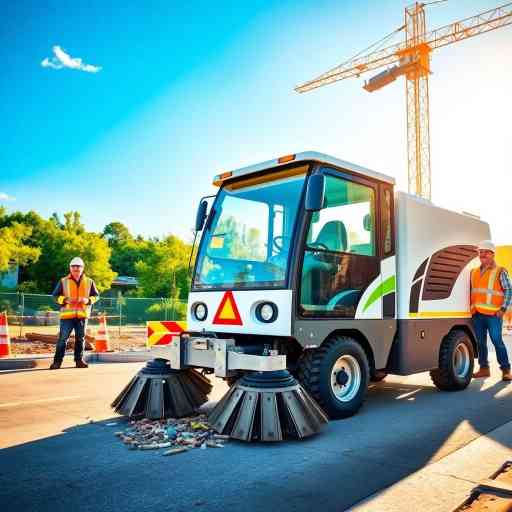
Eco-Friendly Construction Street Sweeping Tips for Cleaner Sites
Explore unique eco-friendly tips for construction street sweeping, promoting cleaner job sites while minimizing environmental impact for contractors and construction teams.