Revolutionize Your Street Cleanup with Smart Street Sweeping Tech
Explore how innovative smart street sweeping technology enhances urban cleanliness while reducing costs and labor. Perfect for municipalities and contractors!
Transforming Urban Cleanliness with Smart Street Sweeping Technology
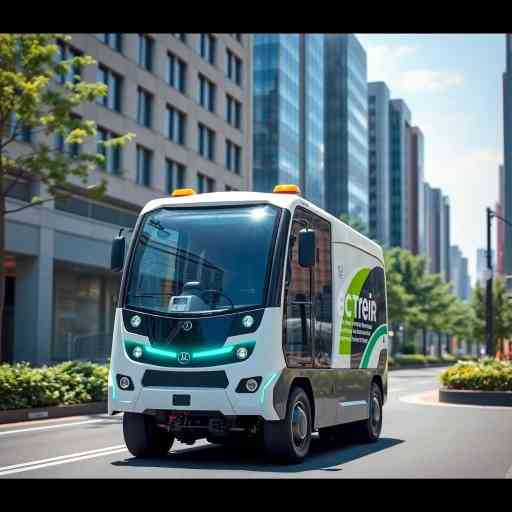 Urban environments can be a haven of activity and movement. From busy city streets filled with cars and buses to the tranquil charm of residential neighborhoods, maintaining clean streets is essential for aesthetic appeal and public health. In recent years, innovative technologies have transformed how cities approach street cleaning. Enter the exciting world of Smart Street Sweeping Technology! This unique, niche product combines construction street sweeping with advanced digital solutions, offering a better way to keep our streets clean and pristine.
Understanding the Smart Street Sweeping Concept
At its core, smart street sweeping leverages technology to enhance traditional street sweeping methods. Imagine a system where sweepers are equipped with sensors, GPS tracking, and real-time data analytics. This creates an efficient street cleaning process that maximizes results while minimizing costs. The targeted approach not only addresses cleanliness but also integrates with municipal budgets and workforce management.The Target Group: Urban Municipalities and Contractors
This innovative technology is perfect for municipalities that strive to maintain cleaner streets while conserving resources. City planners, public works departments, and urban development contractors are all potential users. Furthermore, with the increasing emphasis on sustainability and environmentally friendly practices, adopting smart street sweeping technology positions municipalities as forward-thinking entities committed to public health and cleanliness.Unique Features of Smart Street Sweeping
1. Real-Time Data Tracking: The heartbeat of this system lies in its real-time data capabilities. Cities can monitor which streets have been cleaned, how frequently, and even gather information on pollution levels. This helps planners make informed decisions on maintenance schedules, saving time and costs.
2. Automated Route Optimization: Smart street sweepers can autonomously optimize their routes based on traffic patterns and debris data. This not only makes the cleaning process more efficient but also reduces unnecessary wear and tear on equipment, extending its lifespan.
3. Eco-Friendly Solutions: Many smart street sweepers are designed with environmentally friendly options, such as water conservation systems that use less water and advanced filters that trap pollutants before they enter the water system. This leads to a cleaner, healthier environment for everyone.
4. Enhanced Workforce Efficiency: With automation and real-time insights, workforce management improves. Workers can focus on areas that need extra attention instead of routine cleaning, thus optimizing labor resources and reducing costs.
Benefits of Smart Street Sweeping Technology
Implementing smart street sweeping offers various advantages for municipalities and contractors alike.- Cost Savings: By reducing labor costs and fuel consumption, cities can save thousands of dollars annually.
- Public Health Improvement: Cleaner streets result in healthier urban environments, reducing the incidence of diseases associated with waste and debris.
- Sustainability Commitment: This technology reinforces a municipality's dedication to sustainability and community well-being.
- Increased Public Satisfaction: Cleaner streets enhance the quality of life for residents, leading to higher community satisfaction and engagement.
How to Implement Smart Street Sweeping
For municipalities and contractors interested in incorporating smart street sweeping, the following steps can serve as a guideline:1. Assessment of Current Practices: Evaluate the existing street cleaning processes and identify areas that could benefit from improvement through technology.
2. Research Available Technologies: Investigate different smart street sweeping systems on the market. Consider factors like price, ease of integration, and the ability to provide real-time data.
3. Pilot Program: Launch a pilot program in select neighborhoods to assess effectiveness before a city-wide rollout.
4. Community Engagement: Involve the community in the initiative by sharing data on the cleanliness improvements and gathering feedback to continuously enhance services.
5. Ongoing Monitoring: Regularly analyze the system’s performance to identify trends, maintenance needs, and further opportunities for improvement.
The Future of Street Cleaning is Here
Smart street sweeping technology is a game-changer for municipalities looking to elevate their urban environments. The integration of tech not only streamlines cleaning processes but also promotes sustainability and public health. For city planners and contractors seeking to embrace innovative practices, adopting smart street sweeping represents an essential investment in the future of urban living. As cities around the globe strive for better cleanliness, health, and aesthetic appeal, smart street sweeping may be the key to achieving those goals! In conclusion, the rise of smart street sweeping is more than just a trend—it's an essential part of future-proofing our urban landscapes. With technology leading the way, cleaner, safer, and healthier streets are within our grasp!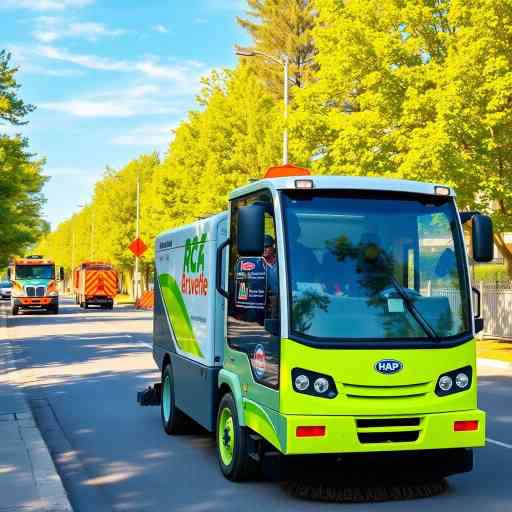
Eco-Friendly Construction Street Sweeping Techniques
Explore eco-friendly construction street sweeping techniques to keep streets clean while reducing environmental impact. Ideal for construction companies and municipalities.
Transforming Construction Sites with Smart Sweeping Techniques
Explore innovative street sweeping techniques for construction sites, aimed at enhancing safety and efficiency while reducing environmental impact.
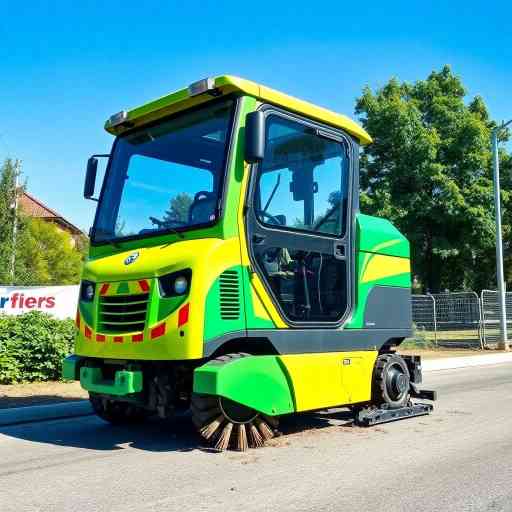
Revitalize Your Construction Site with Eco-Friendly Street Sweeping
Explore innovative eco-friendly street sweeping techniques for construction sites. Perfect for builders looking to enhance cleanliness and sustainability!