Innovative Eco-Friendly Construction Street Sweeping Tips
Explore eco-friendly street sweeping techniques and tips for construction sites, enhancing cleanliness and sustainability while boosting efficiency and safety.
Eco-Friendly Techniques for Construction Street Sweeping
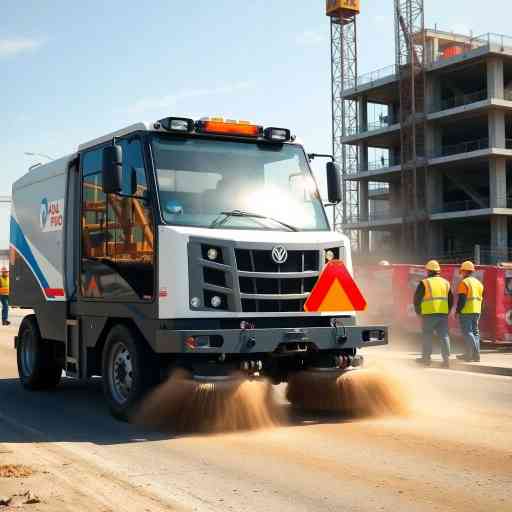 Street sweeping is a vital process in construction zones, ensuring clean and safe environments for workers and the community. While traditional sweeping methods can effectively manage dust and debris, innovative eco-friendly techniques can offer additional benefits, like sustainability and improved public relations. Let’s delve into some unique tips and tricks to revolutionize your street sweeping practices on construction sites.
 Understanding the Importance of Clean Construction Sites
Keeping construction sites clean isn’t just about aesthetics; it’s also a matter of safety and environmental responsibility. Dirt, debris, and waste can pose serious hazards to workers and passersby. Regular street sweeping helps reduce accidents, maintain compliance with local regulations, and contribute to overall community well-being. The right street sweeping practices can promote better air quality and lower the risk of sediment run-off into nearby waterways, protecting local ecosystems.Target Group: Eco-Conscious Contractors
The following eco-friendly street sweeping tips are specifically designed for contractors and construction managers who are looking to adopt more sustainable practices in their operations. As more consumers and local governments push for environmentally responsible solutions, embracing these techniques can enhance your business reputation while ensuring compliance with increasing regulations.Tip #1: Use Advanced Street Sweeping Technology
Investing in modern, eco-friendly street sweeping machines is an effective first step toward sustainability. Many newer models feature advanced filtration systems that trap fine dust particles, preventing them from being released into the air. Furthermore, look for machines equipped with dual sweeping and vacuum systems that minimize water usage while effectively collecting debris.Tip #2: Schedule Sweeping Operations Wisely
Timing can greatly impact the effectiveness of your street sweeping efforts. Consider scheduling your sweeping operations during off-peak hours to avoid heavy traffic and allow for better collection of dust and debris. Moreover, frequent light sweeps can often be more effective than less frequent heavy cleaning, helping to maintain cleanliness with minimal disruption.Tip #3: Incorporate Green Cleaning Agents
When additional cleaning is required, opt for environmentally friendly cleaning agents. Avoid harsh chemicals that can contaminate local soil and water. Instead, use biodegradable, non-toxic cleaning products that are effective in breaking down grime while being gentle on the environment. This not only maintains a clean site but also safeguards surrounding ecosystems.Tip #4: Engage Your Workforce in Sustainable Practices
Your workers play a critical role in maintaining site cleanliness. Educate your crew on the importance of environmental responsibility and involve them in sweeping practices. Foster a culture where employees are motivated to keep the job site clean, recycling waste materials when possible, and utilizing proper disposal techniques for hazardous materials.Tip #5: Optimize Your Material Storage
Proper material storage not only helps prevent excess debris but also protects the environment from possible contamination. Make sure that all materials, especially chemicals and hazardous substances, are stored securely in closed containers, elevated platforms, or bins. By minimizing the potential for spills or leaks, you significantly reduce the need for frequent street cleaning.Tip #6: Create a Maintenance Plan for Equipment
Just like your job site, keeping your street sweeping equipment in optimal condition is crucial. Implement a regular maintenance schedule for your machines to ensure they operate efficiently and effectively. Regular checks and prompt repairs can enhance performance, reduce emissions, and extend the lifespan of your equipment.Tip #7: Use Sustainable Transportation for Debris Removal
After debris has been collected, think about how you will dispose of it. Wherever possible, utilize transportation options that minimize carbon emissions, such as electric or hybrid vehicles, to transport waste. This decision reinforces your commitment to sustainability while enhancing your community’s health and safety.Conclusion: The Future of Construction Street Sweeping
By embracing these eco-friendly street sweeping tips, contractors can make significant strides toward more sustainable practices in construction. Cleaner sites not only foster safer environments for workers and communities but also position your business as a responsible entity committed to protecting the planet. Start implementing these techniques today, and watch as your project enhances both its reputation and efficiency. Remember, every small step counts when it comes to sustainability!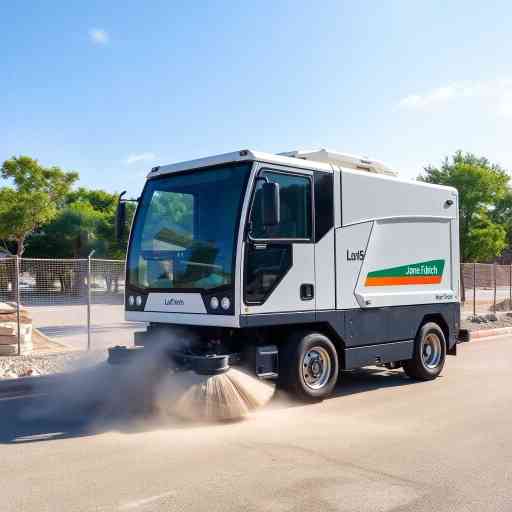
Revolutionizing Construction Cleanup with Smart Street Sweeping Services
Explore innovative street sweeping solutions that transform construction site cleanup. Discover smart techniques, eco-friendly options, and how they benefit contractors and communities.
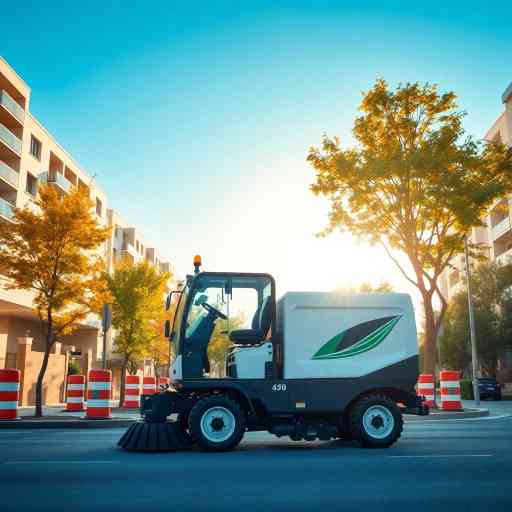
Discover the Joy of Eco-Friendly Construction Street Sweeping
Explore innovative eco-friendly techniques for construction street sweeping that enhance urban cleanliness while reducing environmental impact. Perfect for contractors and city planners!
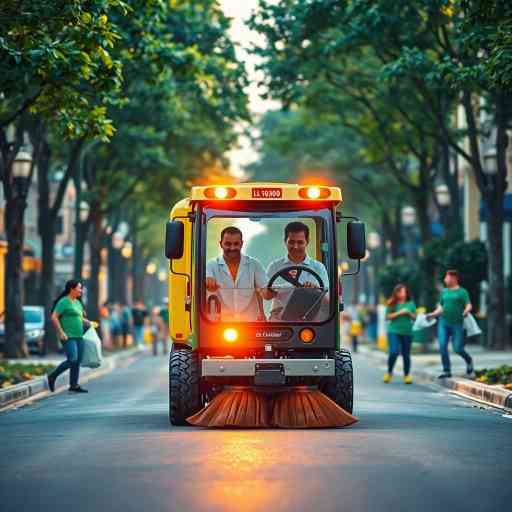
Eco-Friendly Street Sweeping: Transform Your Community Cleanliness
Discover eco-friendly street sweeping techniques that keep communities clean and safe while promoting environmental sustainability. Ideal for local municipalities and urban planners.