Eco-Friendly Street Sweeping: Transform Your Community Cleanliness
Discover eco-friendly street sweeping techniques that keep communities clean and safe while promoting environmental sustainability. Ideal for local municipalities and urban planners.
Introduction to Eco-Friendly Street Sweeping
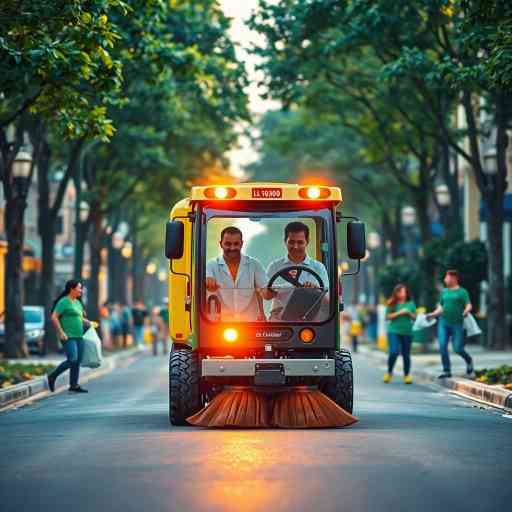 Street sweeping is often seen as a mundane but necessary task, essential for maintaining clean and safe roadways. However, in today’s eco-conscious world, it’s important to think outside the box. Eco-friendly street sweeping combines efficiency with sustainability, providing not just clean streets but also a cleaner environment. In this article, we will explore unique techniques and products for street sweeping that help you achieve a sparkling clean without compromising our planet’s health.
The Unique Angle: Why Go Eco-Friendly?
The construction and urban management sectors have made significant strides in sustainability over the past few years. For city planners and municipal workers, incorporating eco-friendly street sweeping practices isn't just a trend—it’s becoming a necessity. Urban areas face many challenges, including stormwater management and air quality issues. An innovative approach to street sweeping can help mitigate these problems, benefiting both local residents and the environment.Target Group: Municipalities and Urban Planners
This article targets city planners, local municipalities, and environmentally-conscious businesses looking to upgrade their street maintenance processes. If you're involved in maintaining roads, parks, or public spaces, adopting eco-friendly practices is key to fostering community pride and environmental responsibility. By utilizing green street sweeping methods, you not only contribute to a cleaner urban environment but also enhance the aesthetics and safety of your area.Eco-Friendly Techniques for Street Sweeping
To kickstart your journey into sustainable street sweeping, here are some unique techniques and tips that can transform your current practices:
1. Waterless Sweeping Systems
Consider adopting waterless street sweeping systems. These machines utilize high-efficiency vacuum technologies to collect dust, debris, and litter without the need for excessive water use. This technique not only conserves water but also eliminates the potential runoff of pollutants into stormwater systems. Perfect for arid climates or areas experiencing drought, waterless systems are the future of efficient street cleaning.
2. Biodegradable Cleaning Solutions
Another great eco-friendly alternative is to use biodegradable cleaning agents. These substances break down naturally without releasing harmful chemicals into the environment. By choosing eco-friendly detergents and disinfectants for deep-cleaning purposes during your street maintenance, you will contribute to improved soil and water quality around your urban area.
3. Integrating Renewable Energy
Using electric or hybrid-powered street sweepers can significantly reduce carbon emissions associated with traditional gas-powered vehicles. Moreover, consider solar panels installed on these machines or in your operational bases to harness clean energy for charging purposes. By leveraging renewable energy, you are taking substantial steps toward greener operations and setting an example for other urban initiatives.
4. Regular Community Engagement
Community involvement can amplify the benefits of eco-friendly street sweeping. Organize community clean-up events where locals come together to pick up litter while enjoying a day outdoors. Collaborating with local schools can raise awareness about the importance of street cleanliness and proper waste disposal among students. The community's positive energy will reinforce your commitment to sustainability while fostering camaraderie among residents.
The Importance of Public Awareness
While implementing eco-friendly techniques is essential, informing your community about their importance is just as crucial. Make use of social media platforms and community boards to educate residents on why street sweeping matters. Create engaging campaigns highlighting the benefits of cleanliness—like reducing mosquito breeding sites, preventing vehicle damage, and improving air quality. Engagement can also take the form of informative brochures or public seminars on how residents can maintain clean surroundings and contribute to your street sweeping efforts. Establish a dedicated website or a section of your existing site that discusses the environmental impacts of street debris and how the community can work together to address these issues.Conclusion: Building a Cleaner, Greener Future
Transitioning to eco-friendly street sweeping techniques represents more than just an upgrade to current methods; it’s about embracing sustainability, enhancing public health, and setting an example for future initiatives. Urban planners and municipalities should consider implementing waterless systems, using biodegradable cleaners, transitioning to renewable energy, and involving the community for effective results. Together, let’s pave the way for cleaner streets, healthier communities, and a more sustainable environment. If you’re ready to make a positive change in your community through innovative street sweeping practices, let this be your guide towards greener horizons!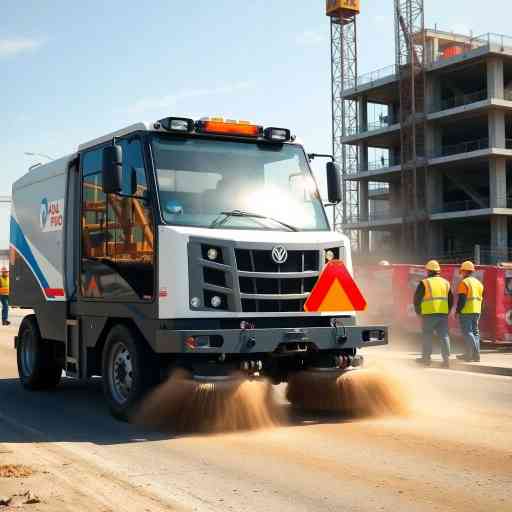
Innovative Eco-Friendly Construction Street Sweeping Tips
Explore eco-friendly street sweeping techniques and tips for construction sites, enhancing cleanliness and sustainability while boosting efficiency and safety.
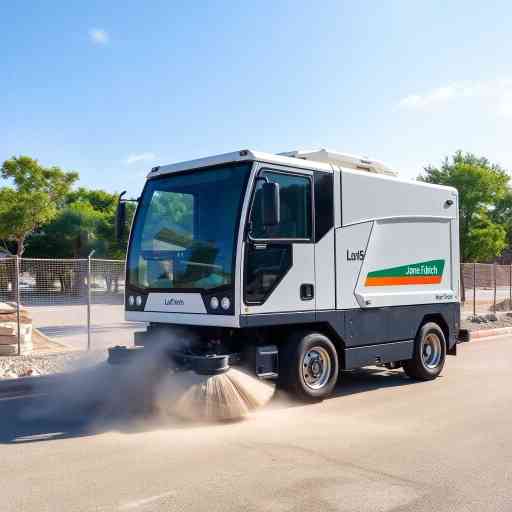
Revolutionizing Construction Cleanup with Smart Street Sweeping Services
Explore innovative street sweeping solutions that transform construction site cleanup. Discover smart techniques, eco-friendly options, and how they benefit contractors and communities.
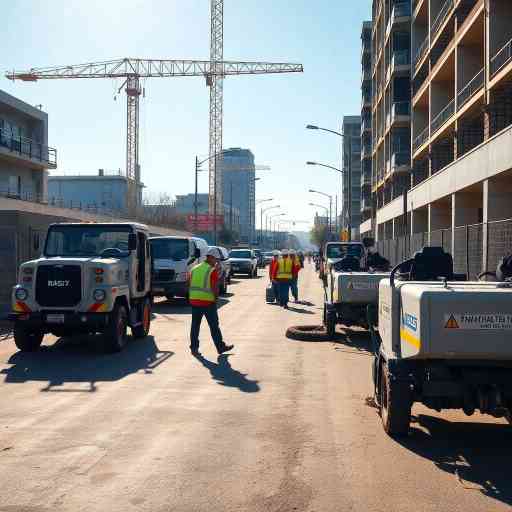
Revolutionary Construction Street Sweeping Tips for Efficient Sites
Explore unique street sweeping techniques for construction sites that enhance efficiency, minimize dust, and create safer working conditions. Discover effective tips here!