Revamping Urban Cleanliness: Eco-Friendly Street Sweeping Innovations
Explore the unique innovations in construction street sweeping services that prioritize eco-friendliness, targeting urban planners and contractors for cleaner cities.
Introduction
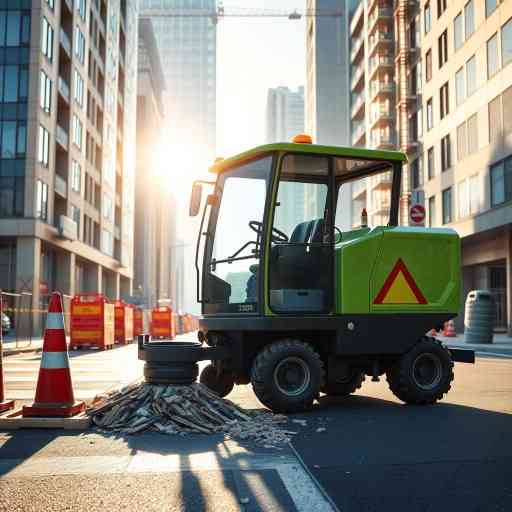 When we think of urban maintenance, the importance of street cleanliness often comes to mind, especially in construction areas. Enter the world of construction street sweeping, a crucial service that ensures our urban spaces remain clean and safe. In recent years, innovative products and services have emerged to make this essential task more efficient and environmentally friendly. This article dives into a unique niche in the construction street sweeping industry—eco-friendly street sweeping innovations that are revolutionizing how we keep our cities pristine.
Understanding the Importance of Street Sweeping
Street sweeping is more than just a chore; it plays a vital role in urban management. Clean streets help to reduce pollution, prevent flooding, and enhance the overall aesthetics of our cities. Construction sites often create an influx of debris, dirt, and materials that need regular cleaning to ensure compliance with local regulations and community standards. The need for efficient, effective street sweeping becomes paramount.The Rise of Eco-Friendly Innovations
As awareness of environmental issues has grown, so has the demand for sustainable practices in every industry, including construction street sweeping. Enter the eco-friendly street sweeper. These machines and services not only prioritize cleanliness but also sustainability, appealing to a demographic increasingly concerned with environmental impact.Key Features of Eco-Friendly Street Sweepers
1. Electric Street Sweepers One of the most significant advancements in the street sweeping niche is the emergence of electric-powered street sweepers. Unlike their gas-powered counterparts, these machines operate silently, reduce carbon emissions, and require less maintenance. They’re perfect for urban areas where noise pollution and air quality are concerns.
2. Water Recycling Systems Innovative street sweepers now come equipped with water recycling systems that allow for the reuse of water used during the sweeping process. This is a game-changer for cities facing water shortages, as it conserves resources while keeping the streets clean.
3. Bio-Based Cleaning Solutions Many construction street sweeping companies are now utilizing bio-based cleaning solutions that are both effective and environmentally friendly. These cleaners break down pollutants naturally without introducing harmful chemicals back into the ecosystem.
4. Data-Driven Maintenance Solutions Advancements in technology have allowed for data-driven street sweeping strategies. By utilizing IoT devices and AI, companies can analyze debris accumulation patterns and optimize their sweeping routes and schedules. This approach maximizes efficiency while minimizing environmental footprints.
Target Group: Urban Planners and Contractors
The unique angle of these eco-friendly street sweeping innovations is that they primarily target urban planners, contractors, and construction site managers who prioritize sustainability. As cities continue to grow and evolve, these stakeholders seek innovative solutions to maintain clean urban environments without compromising environmental integrity.The Benefits of Eco-Friendly Street Sweeping
Adopting eco-friendly street sweeping services presents a range of benefits:- Environmental Impact: Reduced emissions and lower pollution levels lead to a healthier urban atmosphere.
- Regulatory Compliance: Many regions now enforce stricter regulations on waste management; eco-friendly services help ensure compliance.
- Cost Savings: While the initial investment in technology may be higher, savings from maintenance, fuel costs, and water conservation often result in long-term financial benefits.
- Public Perception: Cities utilizing sustainable practices gain favor in public opinion, attracting businesses and residents looking for environmentally-conscious communities.
How to Get Started with Eco-Friendly Street Sweeping
1. Research Providers: Look for local companies that offer eco-friendly street sweeping services and machines.
2. Assess Needs: Determine the specific requirements of your project or city—frequency of service, type of debris, and desired environmental outcomes.
3. Invest in Technology: If you manage a construction company, consider investing in eco-friendly street sweeping machinery to boost your operations and sustainability goals.
4. Promote Awareness: Share your commitment to clean streets and environmental sustainability with the community to build support and foster partnerships.
Conclusion
Eco-friendly street sweeping innovations are paving the way for cleaner, greener cities, making it a critical niche within the construction sector. As urban areas face increased pressure from pollution and waste, adopting sustainable street sweeping solutions is not only a responsible choice but also an opportunity to engage communities and stakeholders. By prioritizing these eco-friendly practices, urban planners and construction managers can significantly contribute to the sustainability movement and promote healthier environments for generations to come. Now is the time to embrace innovation and sustainability in street sweeping, creating cities that shine for both residents and the planet!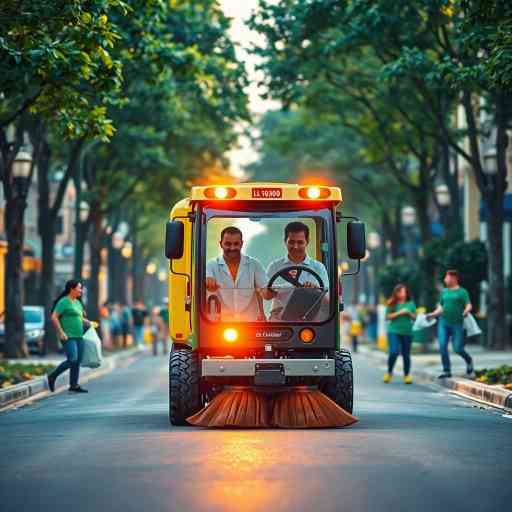
Eco-Friendly Street Sweeping: Transform Your Community Cleanliness
Discover eco-friendly street sweeping techniques that keep communities clean and safe while promoting environmental sustainability. Ideal for local municipalities and urban planners.
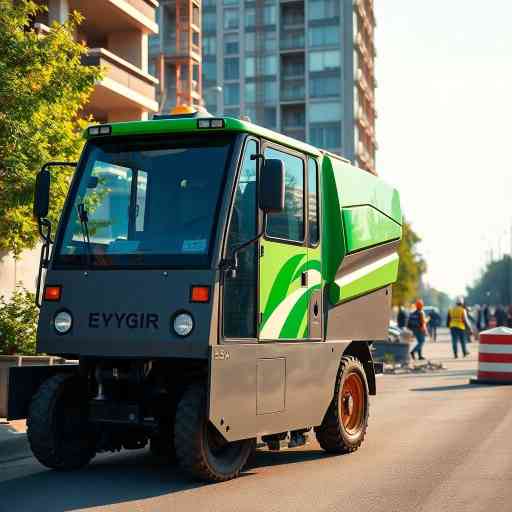
Revolutionize Construction Site Cleanliness with Eco-Friendly Street Sweepers
Discover how eco-friendly street sweepers are changing the construction landscape for contractors and the environment.
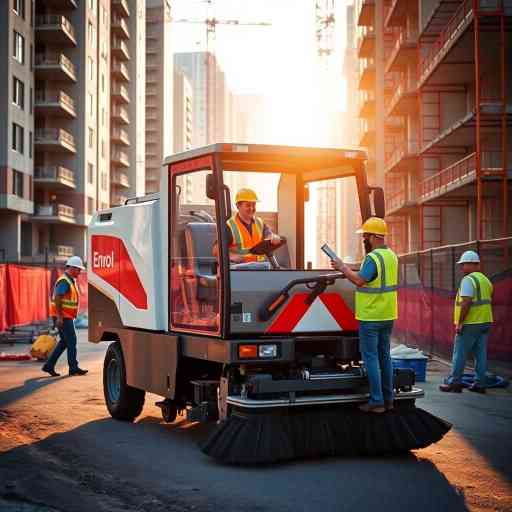
Discover the Joy of Eco-Friendly Construction Street Sweeping
Explore unique tips for eco-friendly construction street sweeping services, focusing on efficiency and sustainability. Perfect for construction managers and environmental advocates.