Revolutionizing Construction Site Cleanliness: Eco-Friendly Street Sweeping Techniques
Explore innovative eco-friendly street sweeping techniques that enhance construction site cleanliness, reduce waste, and promote sustainability for a healthier environment.
Introduction to Eco-Friendly Street Sweeping
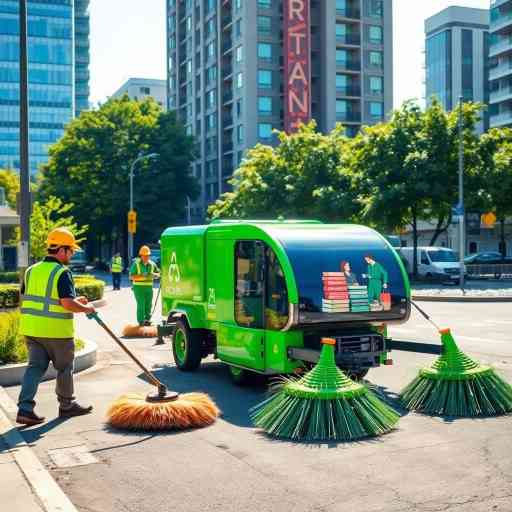 Street sweeping is an essential part of construction site management. Keeping the streets and surroundings clean is crucial not only for aesthetics but also for safety and environmental health. However, traditional street sweeping methods often involve heavy machinery that can contribute to air pollution and water contamination. This article introduces an innovative approach: eco-friendly street sweeping techniques that promote sustainability while ensuring cleanliness on construction sites.
 Whether you're a construction manager, a city planner, or simply a sustainability enthusiast, this guide is for you!
Why Choose Eco-Friendly Street Sweeping?
The need for eco-friendly solutions in construction and street maintenance has never been greater. Urbanization leads to increased debris and pollutants, which can damage local ecosystems and public health. Eco-friendly street sweeping methods help mitigate these issues.By opting for green alternatives, construction companies can:
1. Reduce their carbon footprint.
2. Prevent pollutants from entering water systems.
3. Enhance community relations by showcasing commitment to sustainability.
Unique Eco-Friendly Street Sweeping Techniques
Here are some innovative techniques that are revolutionizing street sweeping in construction:
1. Biodegradable Cleaning Agents
Using biodegradable cleaning agents for street sweeping is a simple yet effective technique. Unlike traditional harsh chemicals, these eco-friendly alternatives break down naturally, ensuring that no harmful residues are left behind to pollute soil and waterways.
2. Manual Street Sweeping with a Twist
For smaller construction sites, consider a manual approach! Workers equipped with innovative hand tools can effectively remove debris while enjoying fresh air and exercise. Additionally, engaging workers in this manner can boost morale and promote teamwork!
3. Smart Street Sweeping Technologies
Investing in smart street sweeping vehicles that utilize GPS and AI technology can drastically improve efficiency. These vehicles can optimize routes, minimizing the amount of fuel consumed and time spent sweeping, while also collecting real-time data on street cleanliness.
4. Use of Recyclable Materials for Sweeping Equipment
Switching to street sweeping equipment made from recyclable materials not only reduces waste but also sets an example for other industries. By prioritizing equipment that can be recycled or repurposed, construction companies can align themselves with a circular economy approach.
5. Dust Suppression Techniques
Implementing dust suppression methods, such as using water sprayers or organic dust suppressants, keeps air quality healthy and reduces the risk of respiratory problems among workers and nearby residents. It's a proactive step towards a cleaner construction site. Who Can Benefit from These Techniques?
These eco-friendly street sweeping techniques can benefit a variety of groups:- Construction Companies: Demonstrate corporate responsibility while maintaining clean job sites.
- City Governments: Improve public health and local aesthetics.
- Environmental Groups: Promote awareness of sustainability in construction practices.
- Residents: Enjoy cleaner neighborhoods and improved air quality.
How to Get Started with Eco-Friendly Street Sweeping
Ready to take the plunge into sustainable street sweeping? Here are some practical steps to get you started:1. Assess Your Current Methods: Review your existing street sweeping practices and identify areas for improvement.
2. Research Local Vendors: Find suppliers who offer eco-friendly cleaning agents, smart street sweepers, and biodegradable equipment.
3. Engage Your Team: Educate your team on the benefits of sustainable practices, encouraging input and participation in eco-friendly initiatives.
4. Measure Success: Set goals and monitor your environmental impact, sharing results with your community to boost transparency and trust.
Conclusion
As we strive to create cleaner, healthier environments, embracing eco-friendly street sweeping techniques in construction becomes essential. By implementing innovative methods, not only do you contribute to the environment, but you also inspire others in your industry to follow suit. With sustainability at the forefront of construction practices, let's work together to build a brighter, cleaner future for our cities. Are you ready to join the movement? Let's keep our streets and communities clean—one eco-friendly sweep at a time!Revolutionizing Construction Site Cleanliness: Eco-Friendly Street Sweeping Techniques
Explore innovative eco-friendly street sweeping techniques that enhance construction site cleanliness, reduce waste, and promote sustainability for a healthier environment.
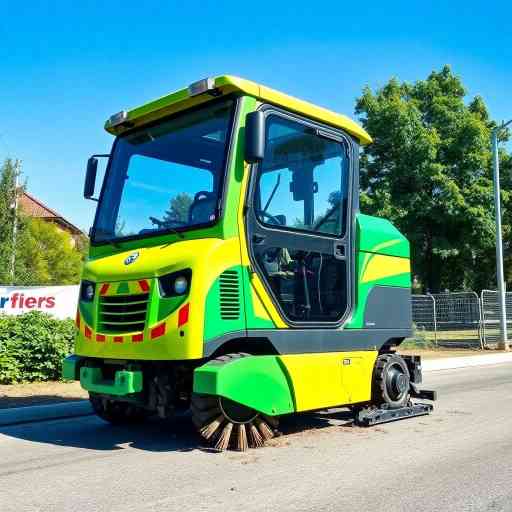
Revitalize Your Construction Site with Eco-Friendly Street Sweeping
Explore innovative eco-friendly street sweeping techniques for construction sites. Perfect for builders looking to enhance cleanliness and sustainability!
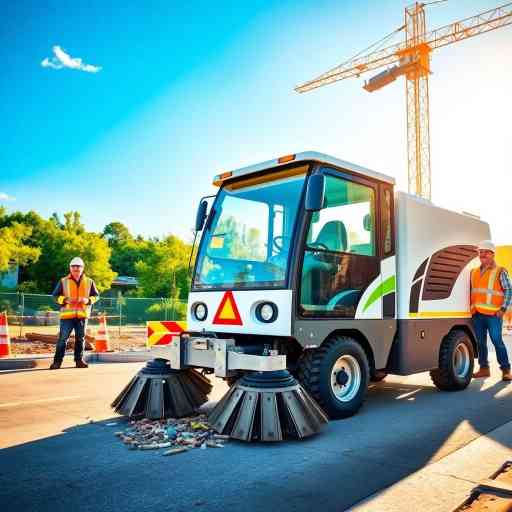
Eco-Friendly Construction Street Sweeping Tips for Cleaner Sites
Explore unique eco-friendly tips for construction street sweeping, promoting cleaner job sites while minimizing environmental impact for contractors and construction teams.